Retracing the Trails: Sustainable Trekking Revival and Village Economies Along the Annapurna Circuit
अन्नपूर्ण पदमार्गको रूपान्तरण: दिगो पर्यटन र ग्रामीण अर्थतन्त्र
As vehicular roads reshape the legendary Annapurna Circuit, local lodge operators and trekking guides are pioneering alternative cultural trails and sustainable conservation models to preserve Nepal's premier trekking heritage.
Sabina Karki
Journalist & Feature Writer

For over four decades, the Annapurna Circuit stood as the crown jewel of international wilderness trekking. Trekkers spent three uninterrupted weeks traversing from the subtropical paddy terraces of Besisahar up to the windswept 5,416-meter Thorong La pass, before descending into the sacred Mustang valleys.
Today, the roar of four-wheel-drive jeeps and construction excavators has permanently transformed the valley floor. Where stone footpaths once wound beside the Marsyangdi River, unpaved roads now ferrying construction materials, medical supplies, and residents.
The Tension Between Connectivity and Wilderness
For urban conservationists and foreign trekkers, the motorable road felt like an aesthetic tragedy. But for the villagers of Manang and Mustang, the road brought life-saving emergency medical evacuations, cheaper rice and kerosene, and access for their children to attend schools in Pokhara and Kathmandu.
"We loved the quiet trails, but when an elderly villager suffered a stroke in winter, a road meant survival. The challenge was never to stop modern roads, but to build companion footpaths that allow trekkers to experience the mountains in tranquility." — Karma Gurung, Lodge Owner in Pisang
The Rise of NATT Trails and Cultural Tourism
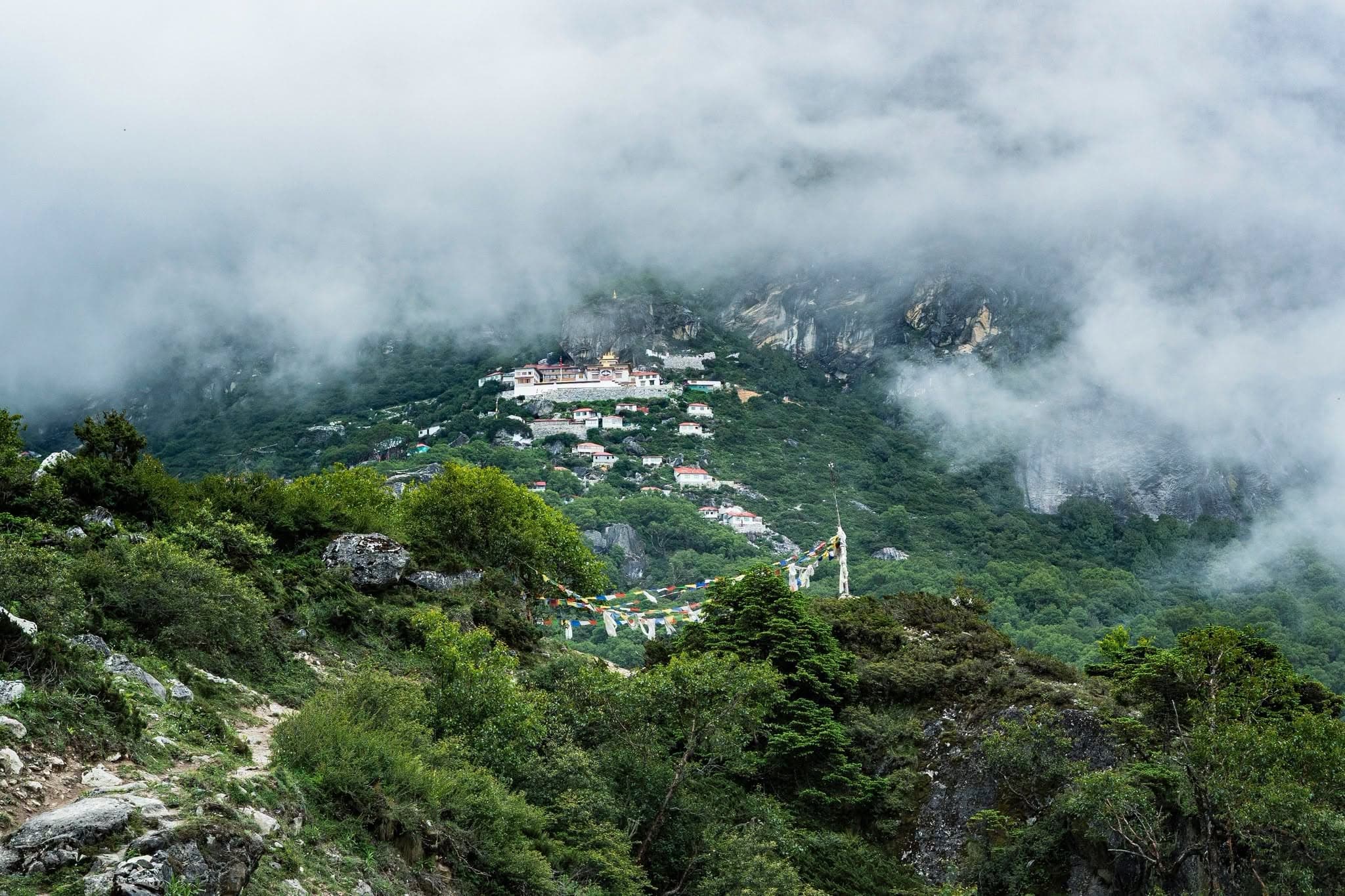
The answer to this friction came through the New Annapurna Trekking Trails (NATT), developed through meticulous field surveys by local guides and international volunteers. Painted trail markers guide hikers along high ridges, ancient pine forests, and centuries-old gompas far above the road.
Furthermore, the reduction of trekking days has broadened access. Young professionals from Southeast Asia and domestic travelers from Kathmandu who cannot take a month off work are now able to complete condensed scenic sections.
Sustainable Stewardship for the Next Decade
As Nepal navigates its 'Tourism Decade 2023–2032' vision, the lessons of the Annapurna Circuit provide a blueprint for all mountain districts: sustainable infrastructure must serve local resident dignity first while curating high-value, low-impact adventure experiences for the world.
Frequently Asked Questions
Is the Annapurna Circuit still worth trekking despite newly built dirt roads?
Yes. With the designated New Annapurna Trekking Trails (NATT) marked with red-and-white trail blazes, trekkers can hike approximately 85% of the route on pristine footpaths away from motor vehicles, experiencing authentic Gurung, Manange, and Thakali villages.
What is the new regulation regarding solo trekking in Nepal?
Under revised guidelines issued by the Nepal Tourism Board, independent foreign trekkers (FITs) traversing protected conservation areas and national parks are generally required to hire a licensed trekking guide or porter-guide to enhance safety and prevent missing hiker incidents.
How do community homestays benefit rural women in the trekking corridors?
Revenue from room rentals, organic organic meals, and handicraft sales flows directly into community-managed funds, financing village health posts, solar heating systems, and children's higher education.
Sabina Karki
(सविना कार्की)Journalist & Feature Writer • 8 Years in Journalism
Sabina Karki is an experienced Nepali journalist and feature writer with approximately eight years of dedicated reporting covering Nepal’s tourism, aviation, entrepreneurship, and startup ecosystems.